
No products in the cart.
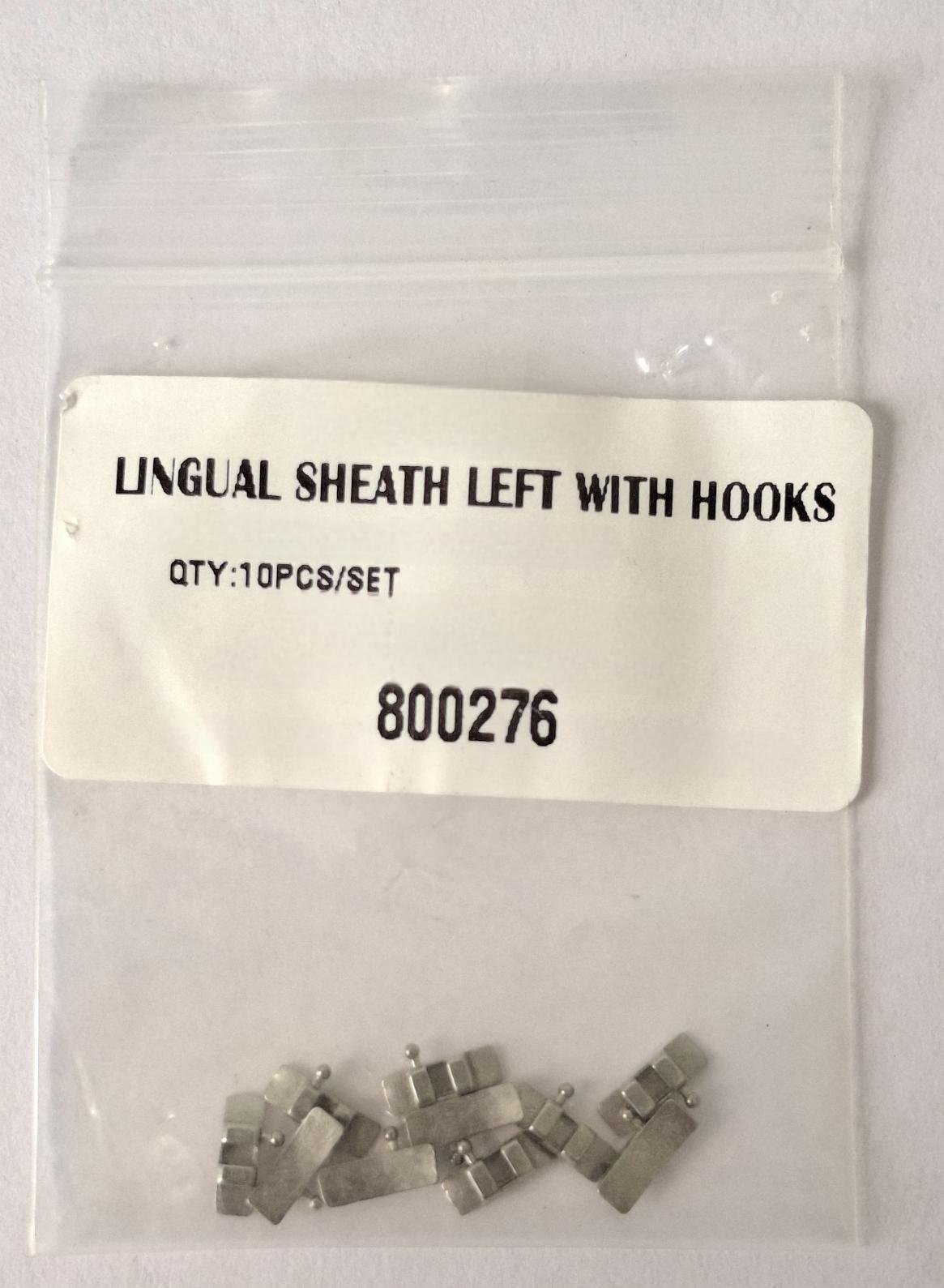
Lingual Sheath With Hooks (Left)
Roll over image to zoom in
₹ 290.00₹ 350.00 (-17%)
The lingual sheath is a small, metal tube that fits around the archwire, usually positioned on the lingual surface (the side of the teeth facing the tongue).
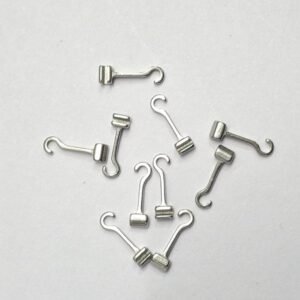
It has hooks protruding from the left side of the sheath, which are used to attach various orthodontic auxiliaries, such as elastics, rubber bands, or other orthodontic devices.
The sheath itself is typically made from durable materials like stainless steel, ensuring its strength and longevity throughout the course of treatment.
The left orientation indicates that the component is intended for the left side of the dental arch (for the upper or lower left molar, premolar, or other teeth).
Function:
The primary function of the Lingual Sheath with Hooks (Left) is to provide an anchor point for attaching elastics or other devices that can exert forces on the teeth to facilitate movement.
The hooks on the sheath are used to secure elastics or coils, which are often critical in moving teeth into the correct position, closing gaps, correcting bite issues, or adjusting the arch form.
How It Works:
The sheath is bonded to the lingual side of the tooth (usually a molar or premolar) and the archwire runs through the sheath, allowing it to slide and move as needed during treatment.
The hooks allow elastic bands or other devices to be attached. These devices apply a gentle, consistent force on specific teeth to move them in the desired direction, which helps achieve better alignment, bite correction, or space management.
Placement:
The Lingual Sheath with Hooks (Left) is typically placed on the left side of the mouth, which corresponds to the left side of the arch in upper or lower dentition.
The sheaths are most commonly placed on the molars or premolars, which serve as anchor points to apply forces to move or stabilize other teeth in the mouth.



Reviews
There are no reviews yet.